Choose a dough style
A sound formula to start from.
Choose what you want to bake. Each recipe includes ingredients, proportions, a method and practical troubleshooting.
Bread and dough recipes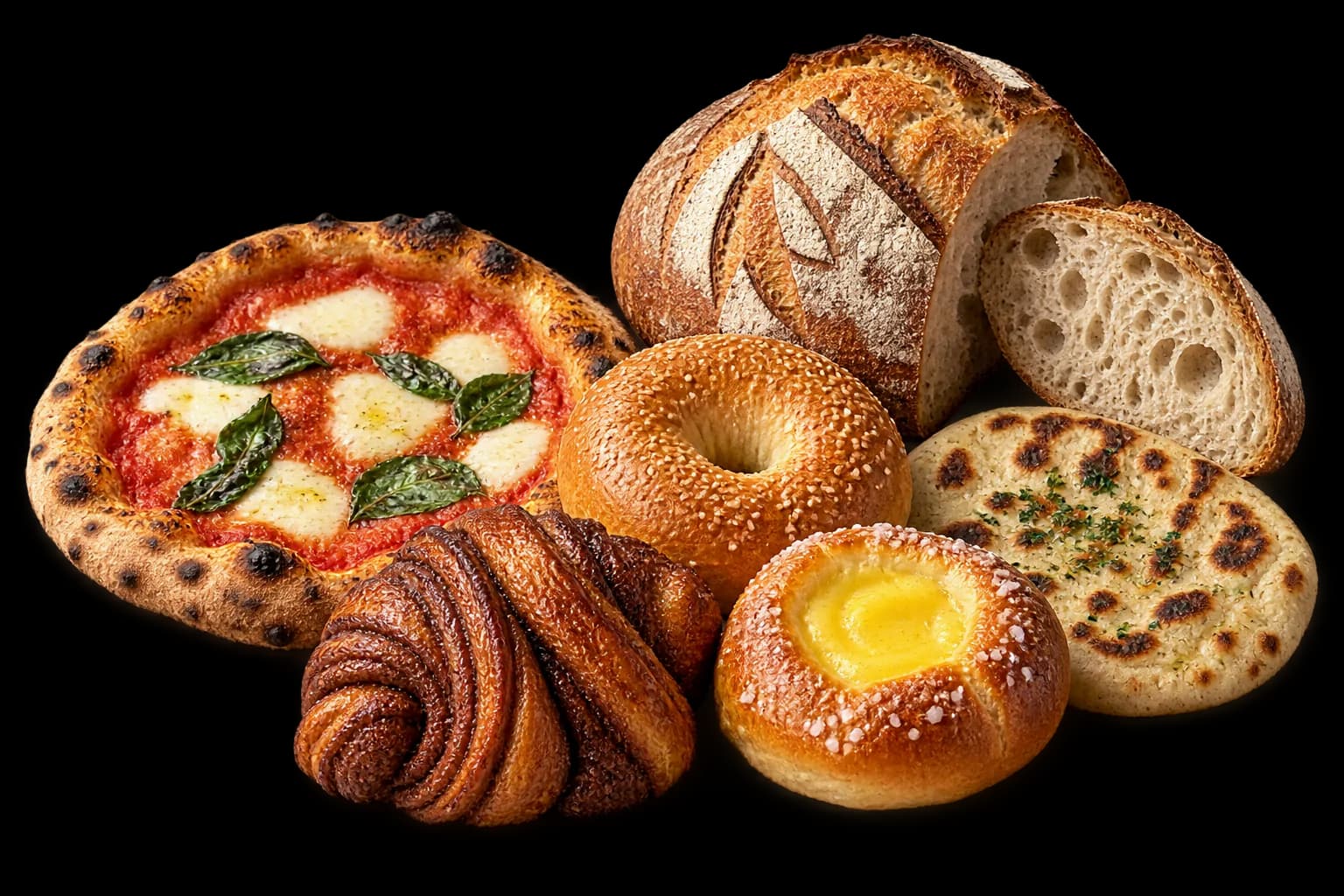
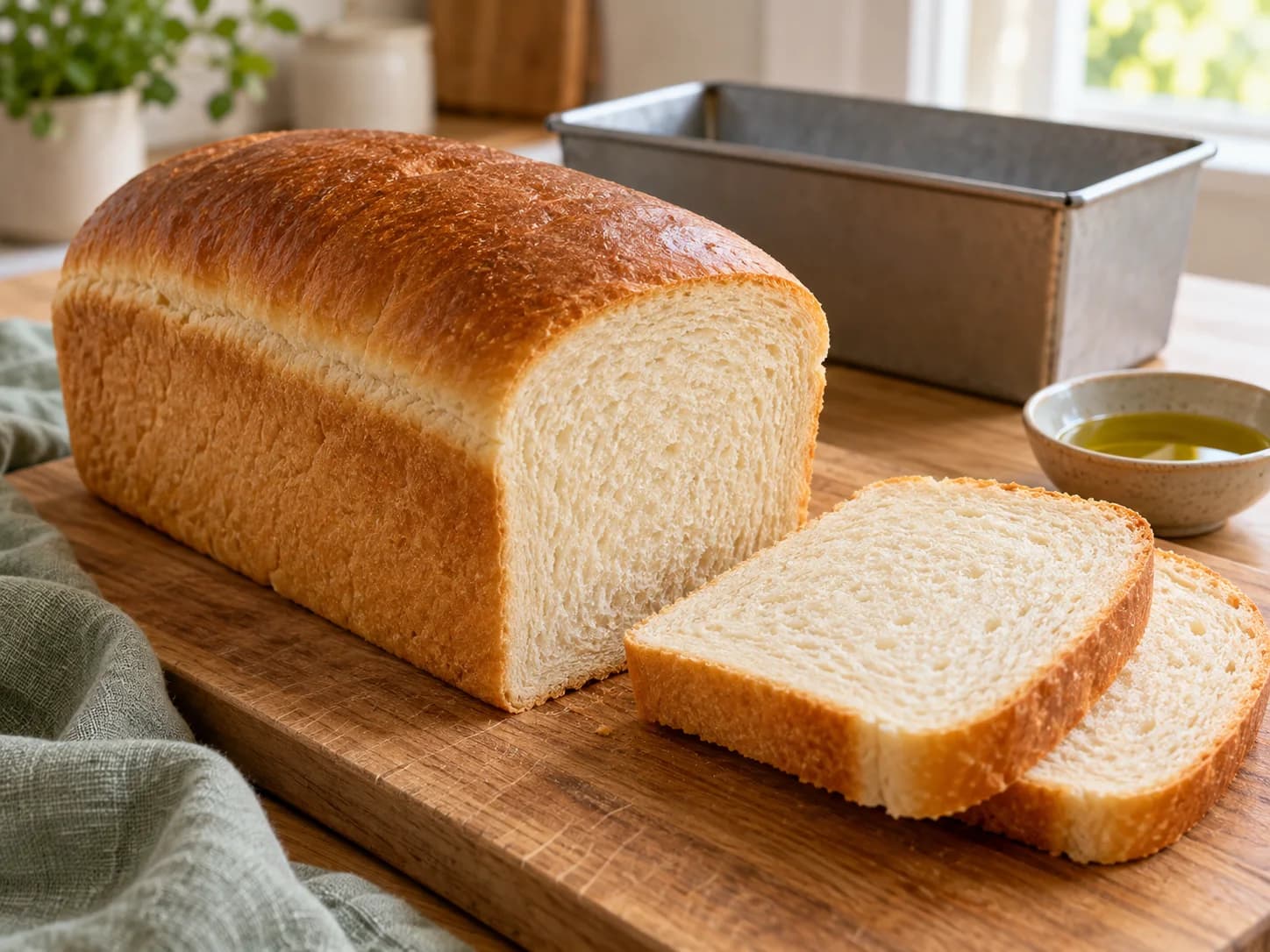 Soft bread from the tinSoft olive oil sandwich breadA fine white loaf for sandwiches, toast and grilled cheese. Water and a little olive oil make a dough without milk or eggs. One rolled sheet of dough produces an even crumb and slices that hold together well.
- Hydration
- 62%
- Starting point
- One loaf from 850 g of dough
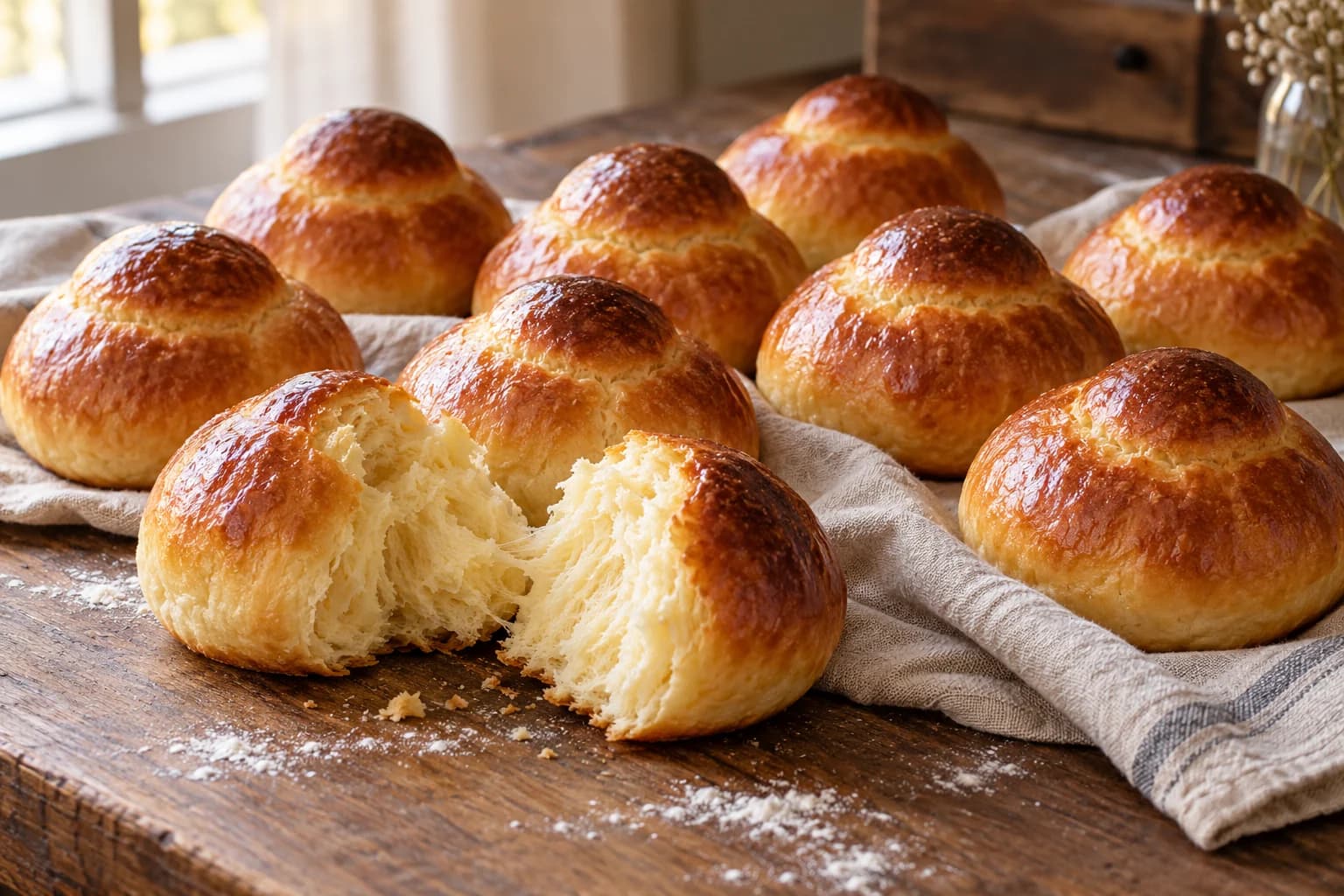 Brioche · French butter bunsButtery, airy and soft enough to pull apart.Brioche asks for time and a mixer, but the shape stays simple. Build a strong dough first, work in the butter gradually, then chill overnight before rounding ten even buns.
- Enriched dough
- 40% butter · 50% egg
- Starting point
- Ten buns of about 100 grams
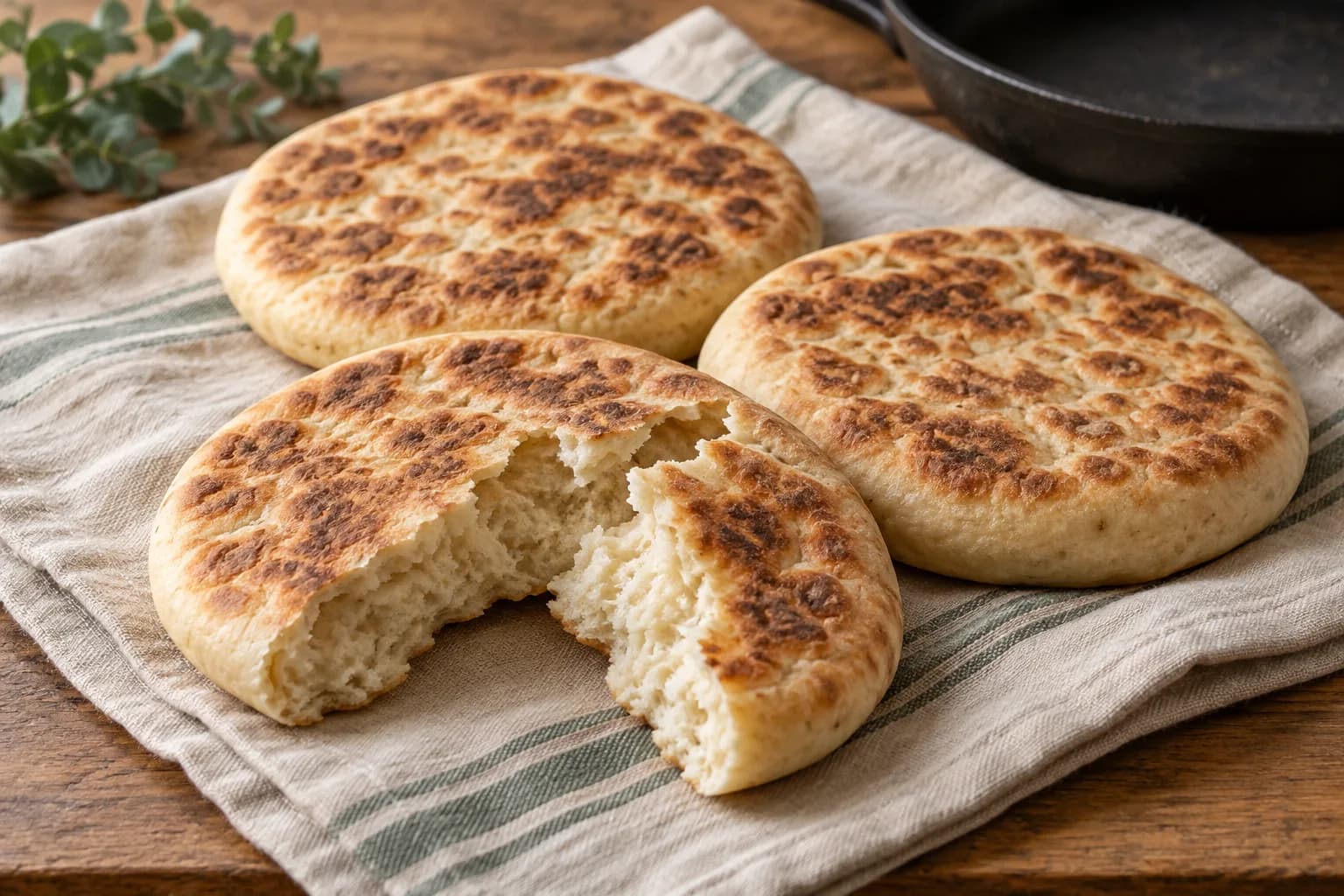 Türkiye · Skillet breadFresh bread. Straight from a frying pan.No oven needed: make six round bazlama with flour, water, yeast and salt. This is our simple water-based version, without yogurt. The pan gives the toasted spots; gentle cooking keeps the centre soft.
- Hydration
- 65%
- Starting point
- Six flatbreads, 140 g dough each
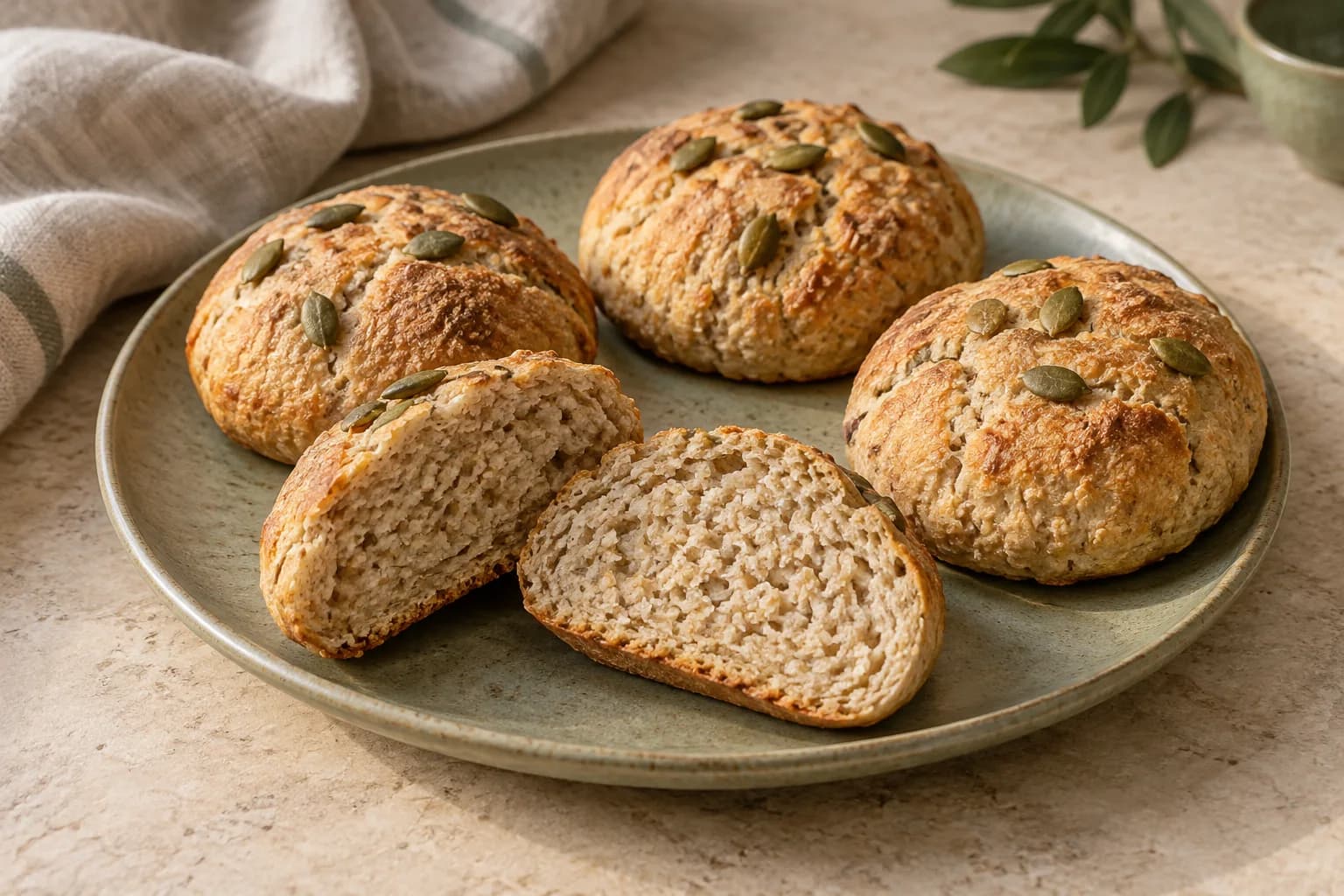 Breakfast rollsProtein quark rollsQuark, oats and eggs form the base of these substantial breakfast rolls. There is no yeast or protein powder. Expect a tender, fairly compact oat crumb, ready to slice and top as you like.
- Raising agent
- Baking powder
- Starting point
- Six quark rolls
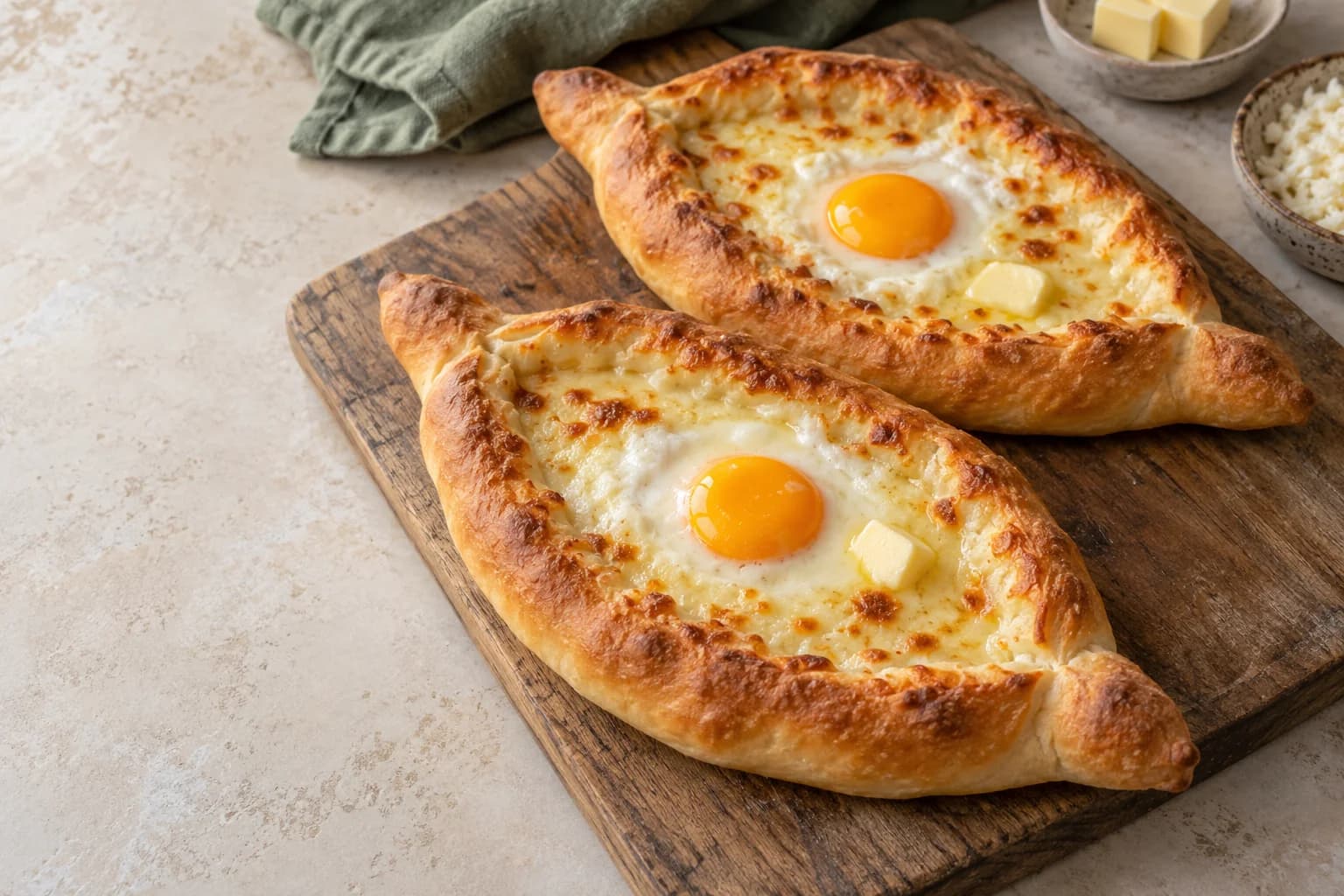 Adjara · GeorgiaA bread boat filled with cheese, egg and melting butter.Adjaruli khachapuri comes from Georgia's Black Sea coast. Shape two open boats, bake the cheese inside and add the egg near the end. Tear off a tip and dip it into the warm centre.
- Hydration
- 62%
- Starting point
- Two generous bread boats
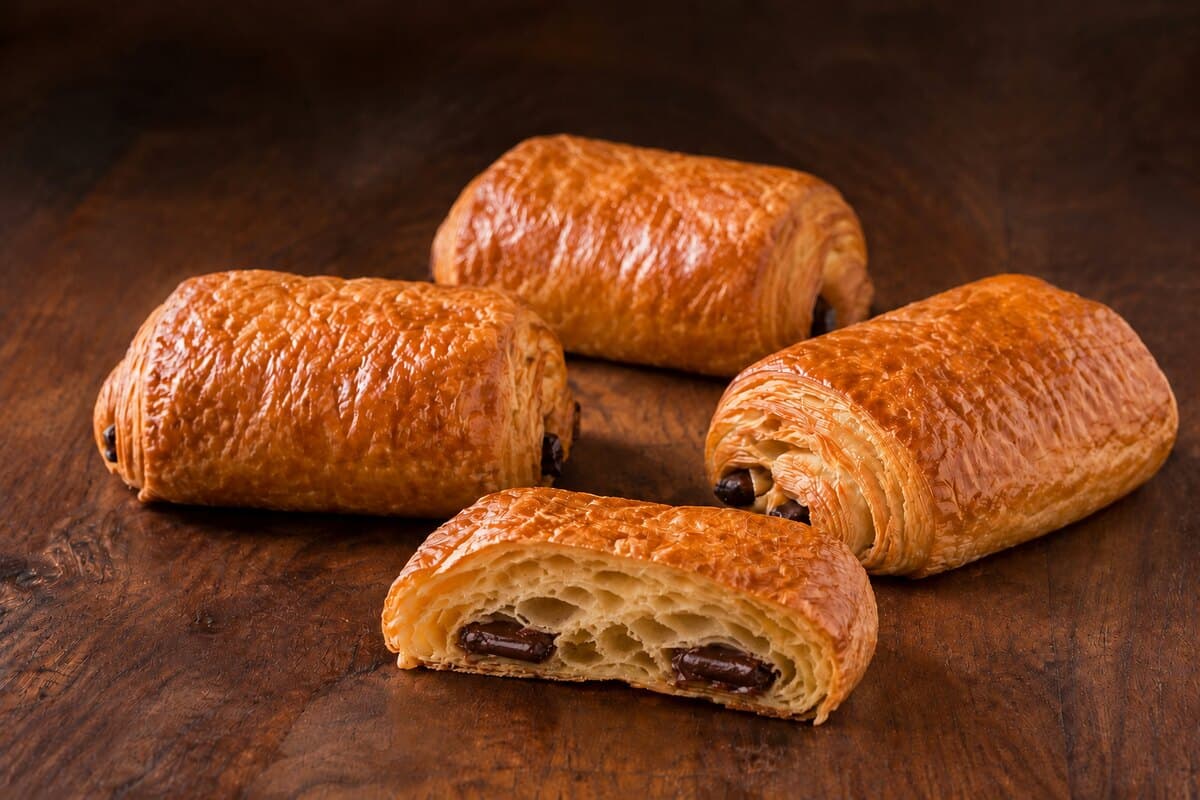 Pain au chocolat · laminated doughFlaky croissant pastry with chocolate inside.Scale the classic rectangular chocolate pastry by count or piece weight. The formula keeps croissant dough, roll-in butter and chocolate batons in proportion.
- Hydration
- 58%
- Starting point
- Ten laminated pains au chocolat
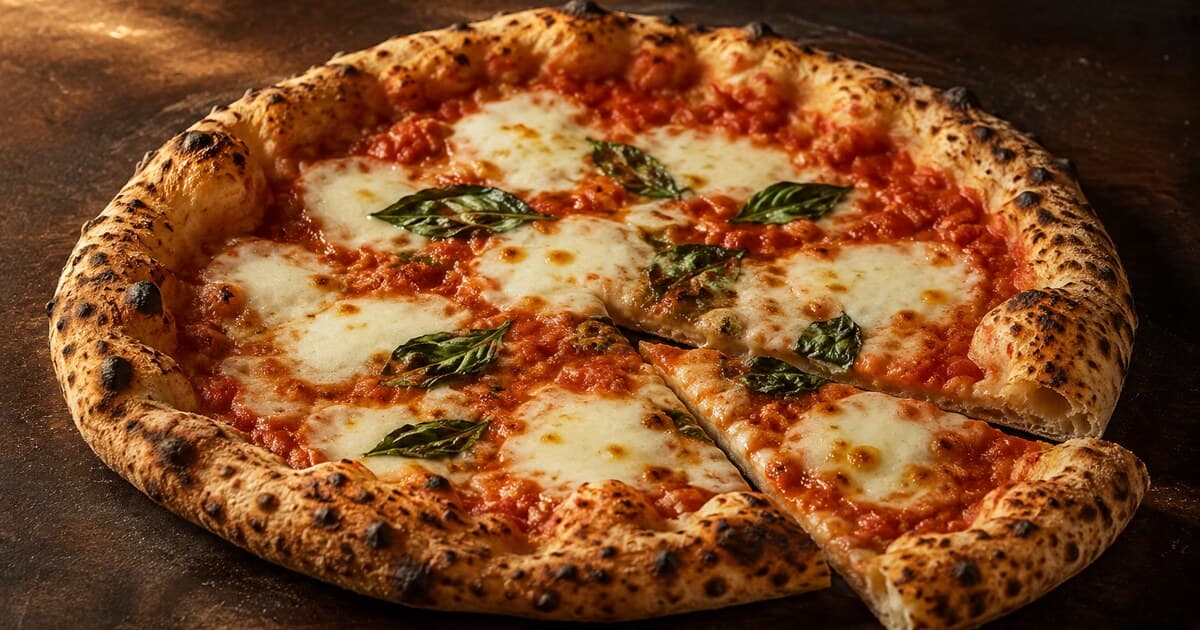 Pizza · starting formulaThin base. Airy rim. Enough dough.A practical pizza foundation for three generous dough balls. You choose count and weight; the formula preserves every ratio.
- Hydration
- 65%
- Starting point
- Three generous pizzas
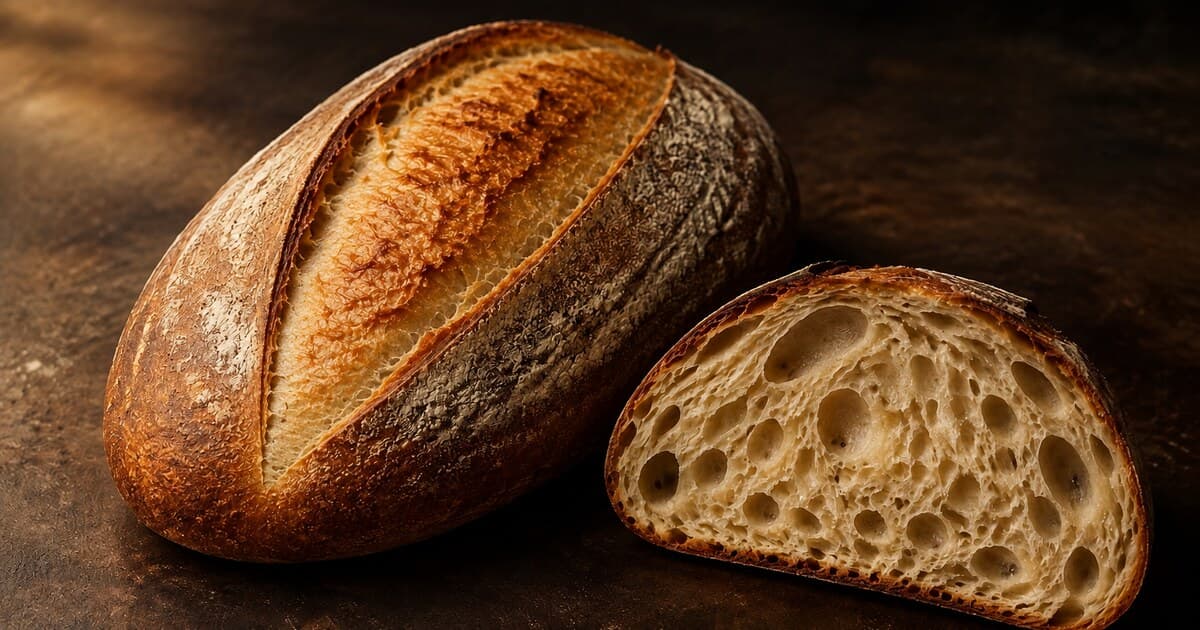 Sourdough · starting formulaMore time. More flavor. Dough you learn to read.A balanced sourdough formula for one loaf. Not extremely wet, but open enough to learn fermentation, tension and an airy crumb.
- Hydration
- 70%
- Starting point
- One sourdough loaf
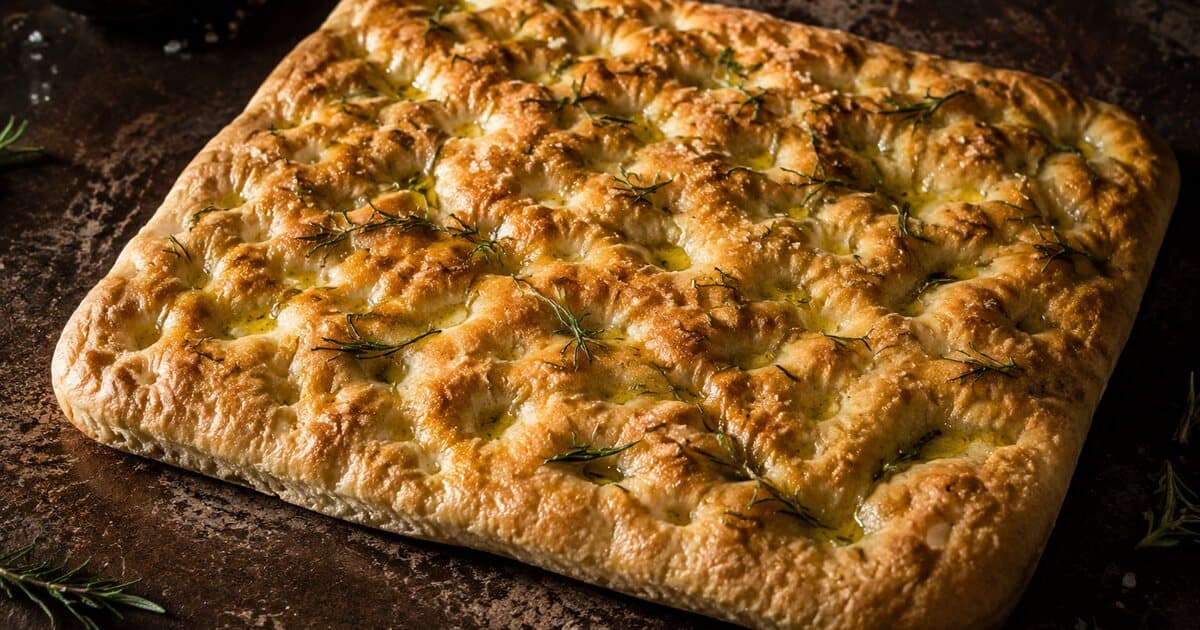 Focaccia · starting formulaAiry inside. Golden at the edges.A practical starting point for soft, open focaccia that remains manageable. The formula is ready; you choose how much dough your pan needs.
- Hydration
- 75%
- Starting point
- One generous pan of focaccia
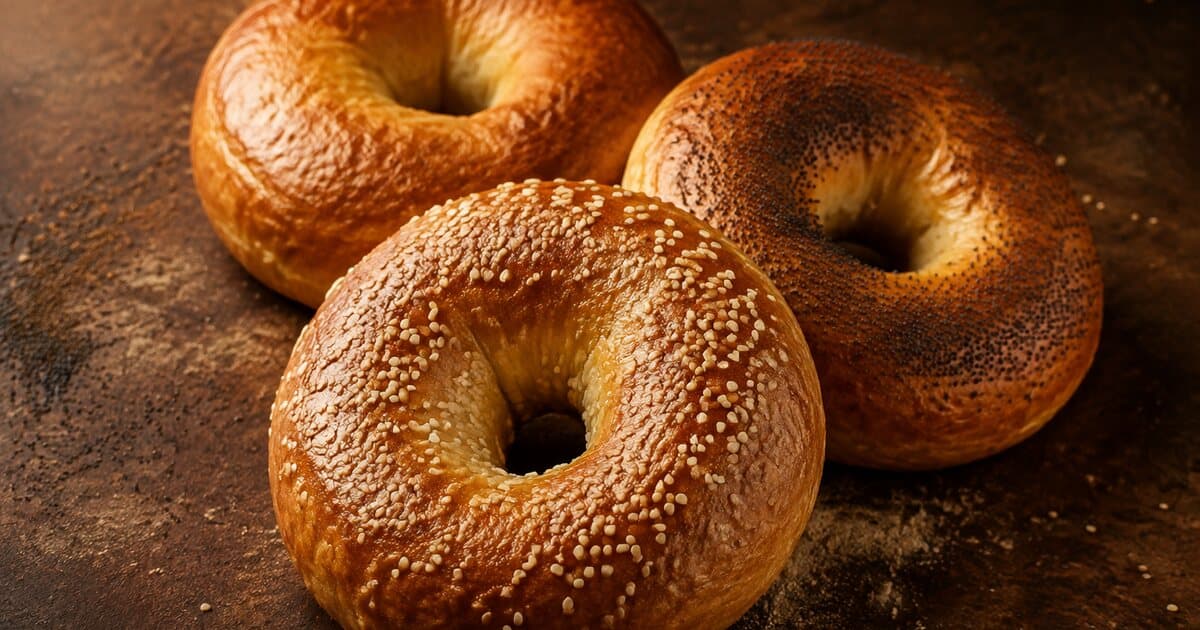 Bagels · starting formulaFirm dough. Glossy crust. Proper chew.Bagels need much firmer dough than bread or pizza. This formula starts with eight equal bagels and scales without mental arithmetic.
- Hydration
- 55%
- Starting point
- Eight chewy bagels
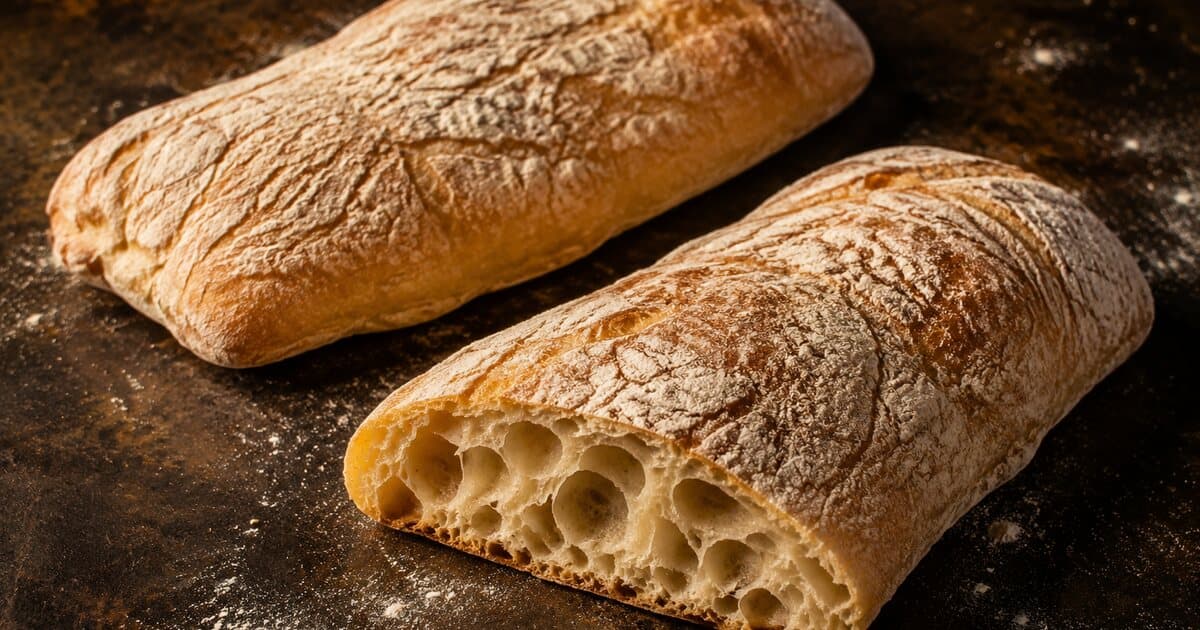 Ciabatta · starting formulaMore water. Less force. Bigger holes.Ciabatta rewards a gentle approach. This wet formula makes two airy loaves and scales instantly when you want to bake more or less.
- Hydration
- 78%
- Starting point
- Two airy ciabatta loaves
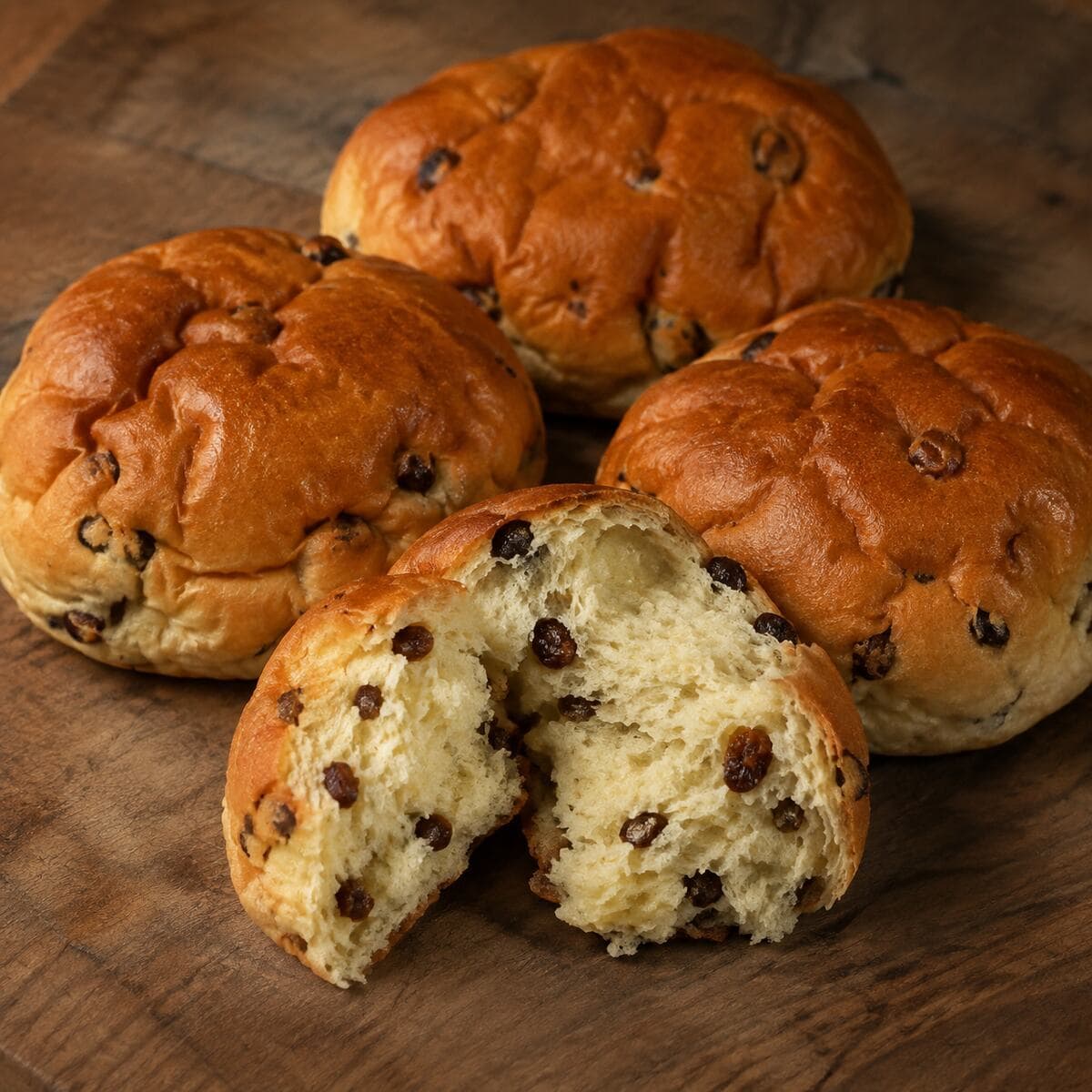 Krentenbollen · Dutch fruit bunsSoft Dutch fruit buns, generously filled.Krentenbollen are the soft Dutch buns found in bakeries and lunchboxes. Scale them by count or piece weight while milk, butter, sugar and fruit stay in proportion.
- Hydration
- 55%
- Starting point
- Twelve Dutch fruit buns
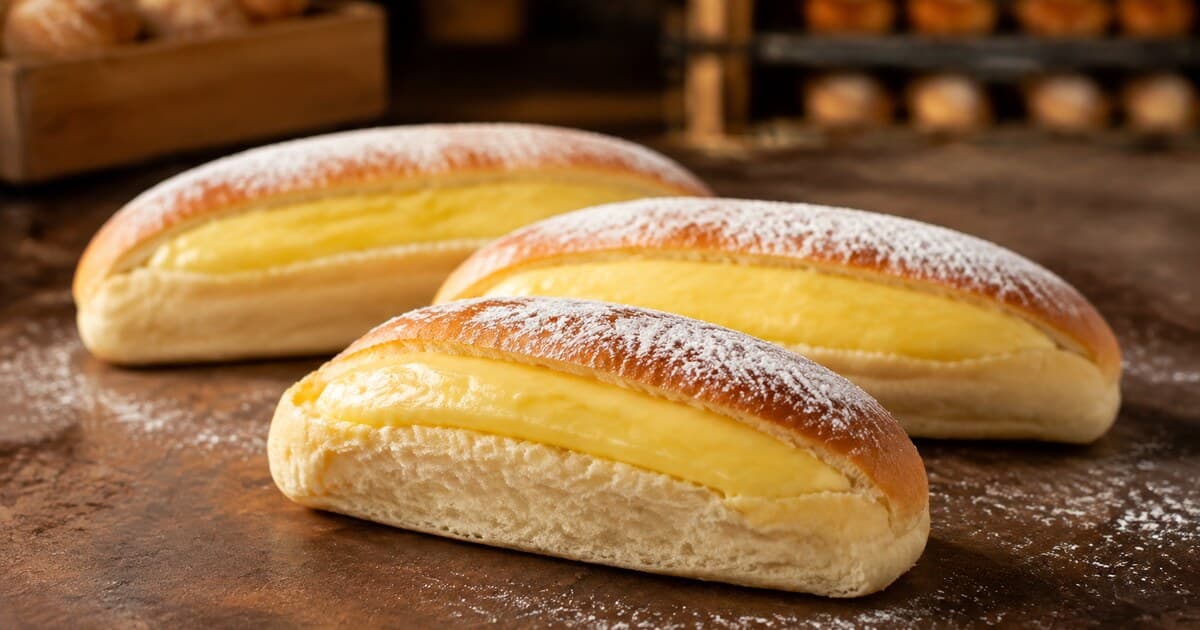 Soft · creamy · generously filledDutch custard bunsThe Dutch bakery classic: a long, soft milk bun that is baked first, split only after cooling and generously piped with thick vanilla pastry cream.
- Hydration
- 55%
- Starting point
- Ten Dutch custard buns
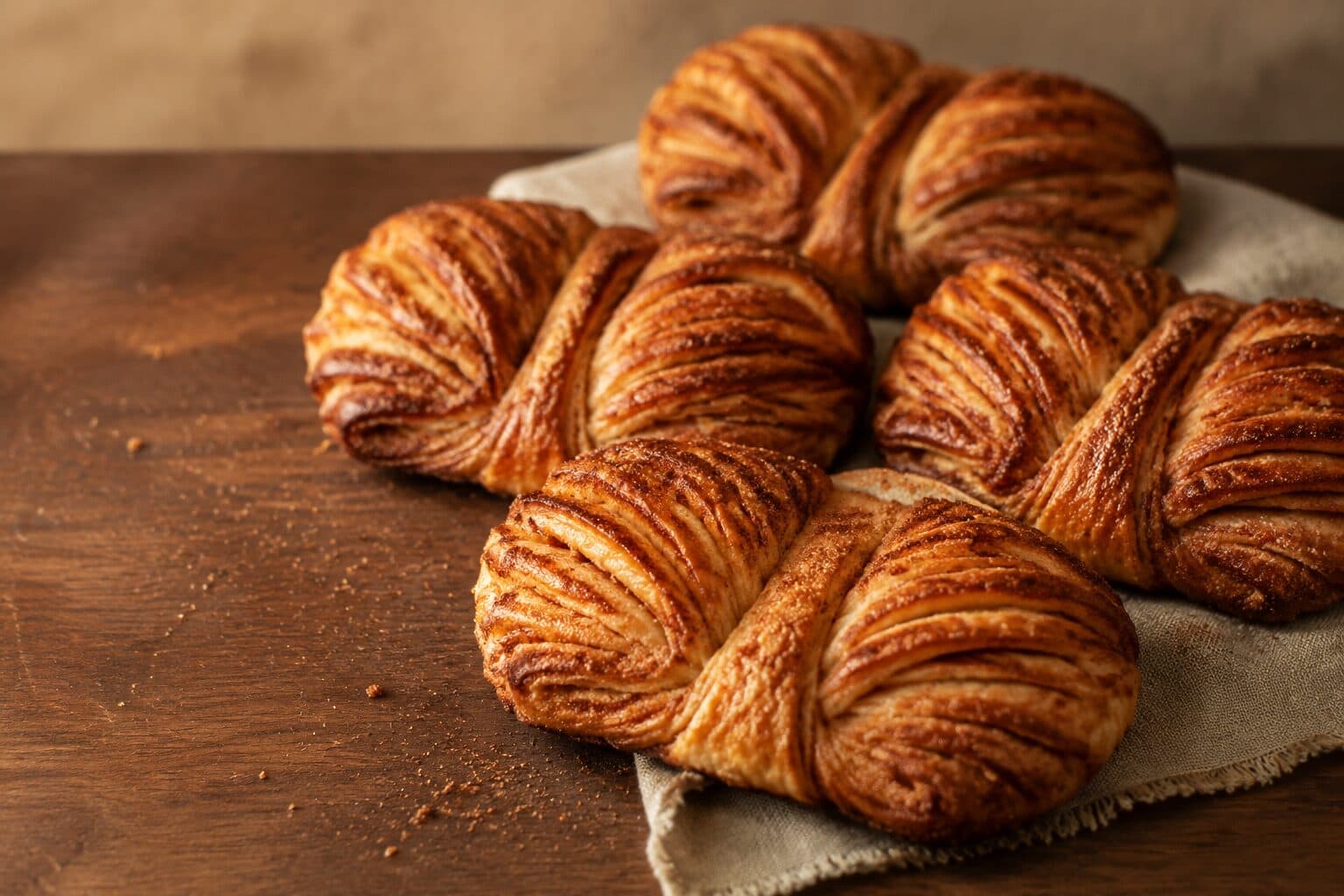 Franzbrötchen · Hamburg specialityButtery layers, cinnamon and that unmistakable press.Not an ordinary cinnamon roll, but Hamburg-style laminated yeast pastry: rolled tightly with cinnamon sugar and pressed deeply so the layers fan open on both sides.
- Hydration
- 45.5%
- Starting point
- Ten classic Franzbrötchen
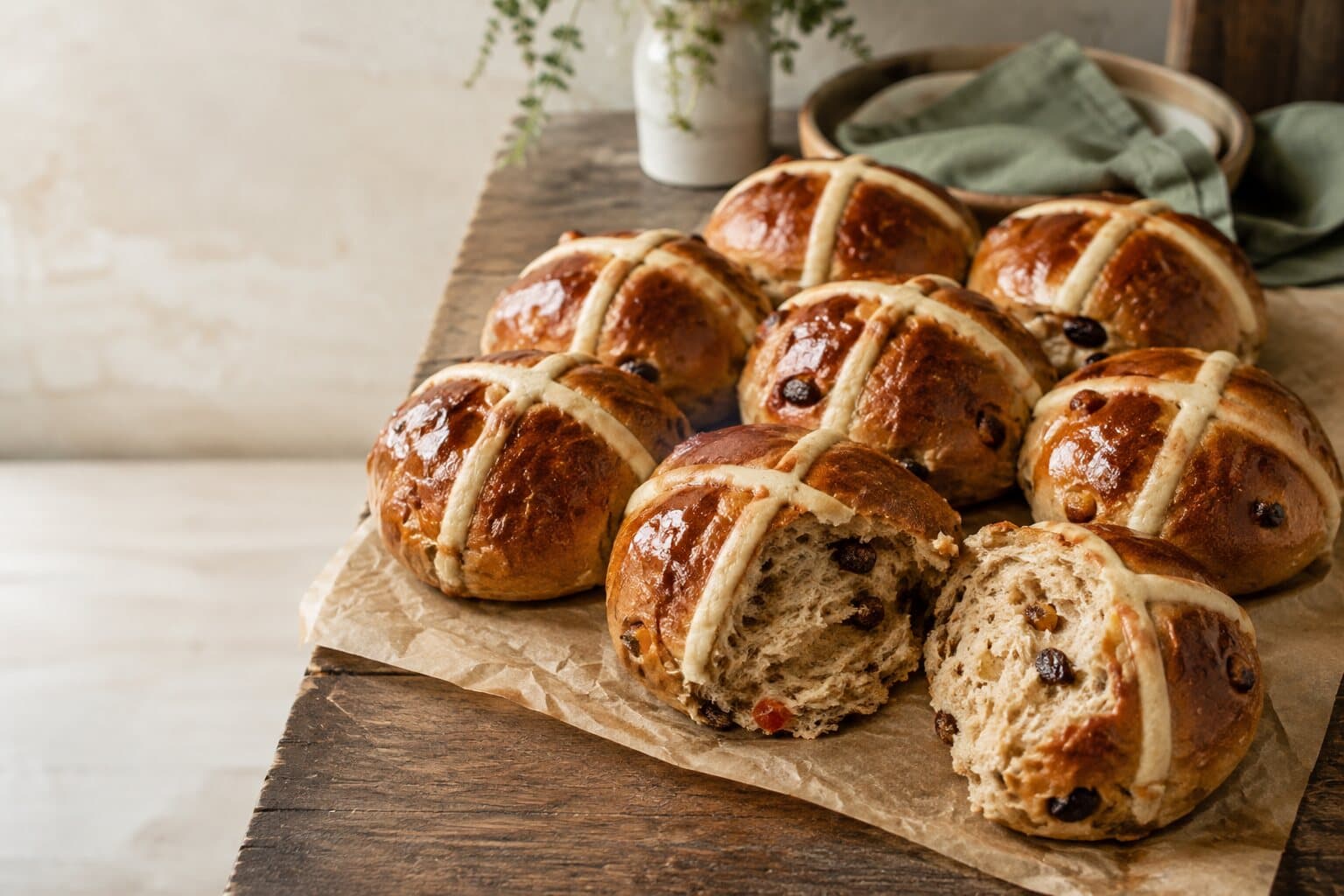 Hot Cross Buns · British Easter traditionSpiced fruit buns that are not complete without the cross.Soft British yeast buns with warm spice, raisins, sultanas and candied citrus. The flour-paste cross bakes with the bun; a thin sugar syrup adds the familiar shine after baking.
- Hydration
- 60%
- Starting point
- Twelve classic Hot Cross Buns
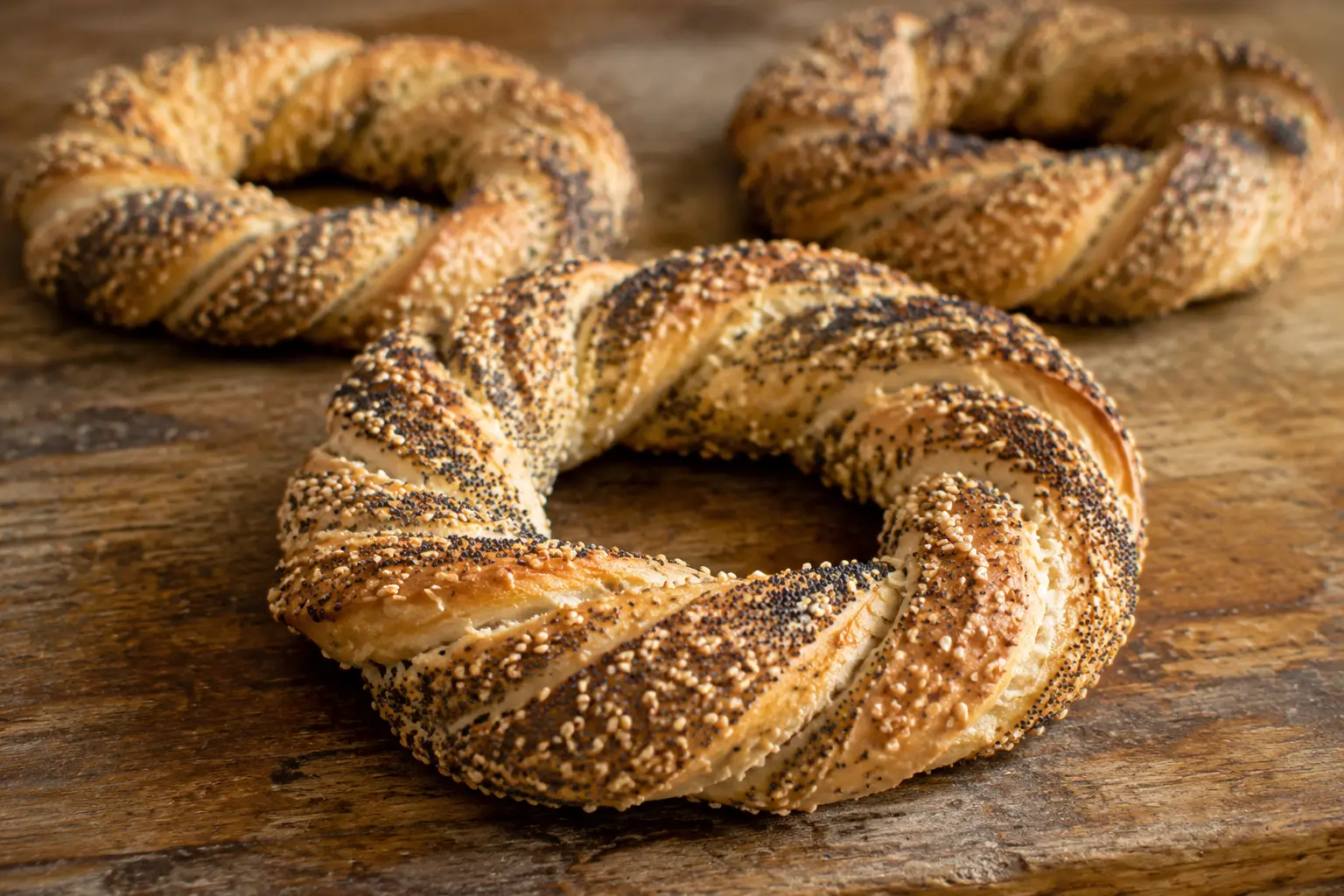 Obwarzanek krakowski · Kraków, PolandThe braided ring Kraków has eaten on the move for centuries.Neither bagel nor pretzel, but a Kraków street classic in its own right: a firm yet tender yeast ring made from two or three twisted strands, briefly scalded, generously topped and baked hot.
- Hydration
- 56%
- Starting point
- Ten Kraków rings at about 100 grams each
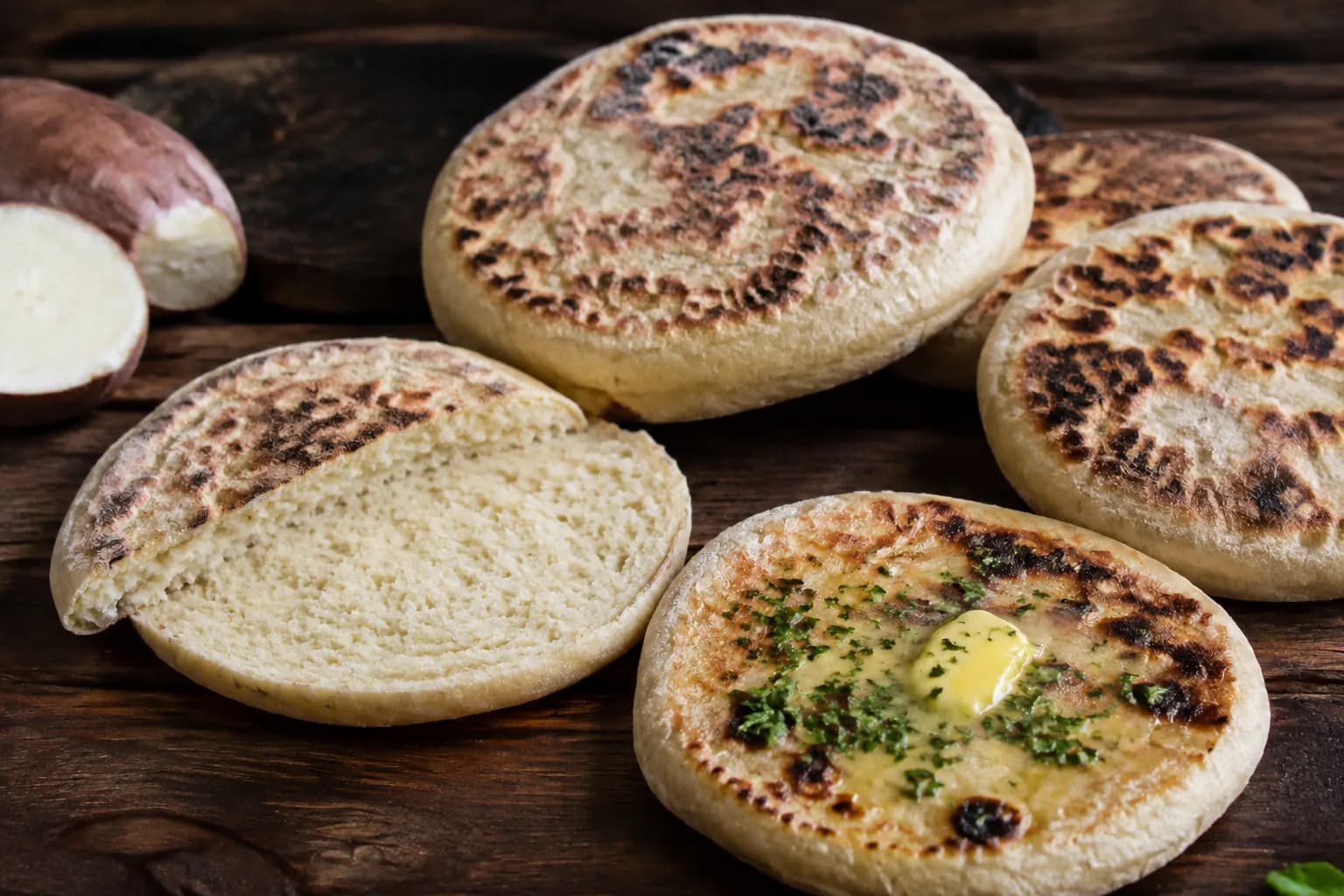 Bolo do Caco · Madeira and Porto SantoThe Madeiran flatbread that needs no oven.Round, soft inside and lightly charred outside. Cooked sweet potato keeps the dough tender; a hot stone or heavy pan gives the bread its familiar thin crust.
- Hydration
- 46%
- Starting point
- Eight round flatbreads at about 150 grams each
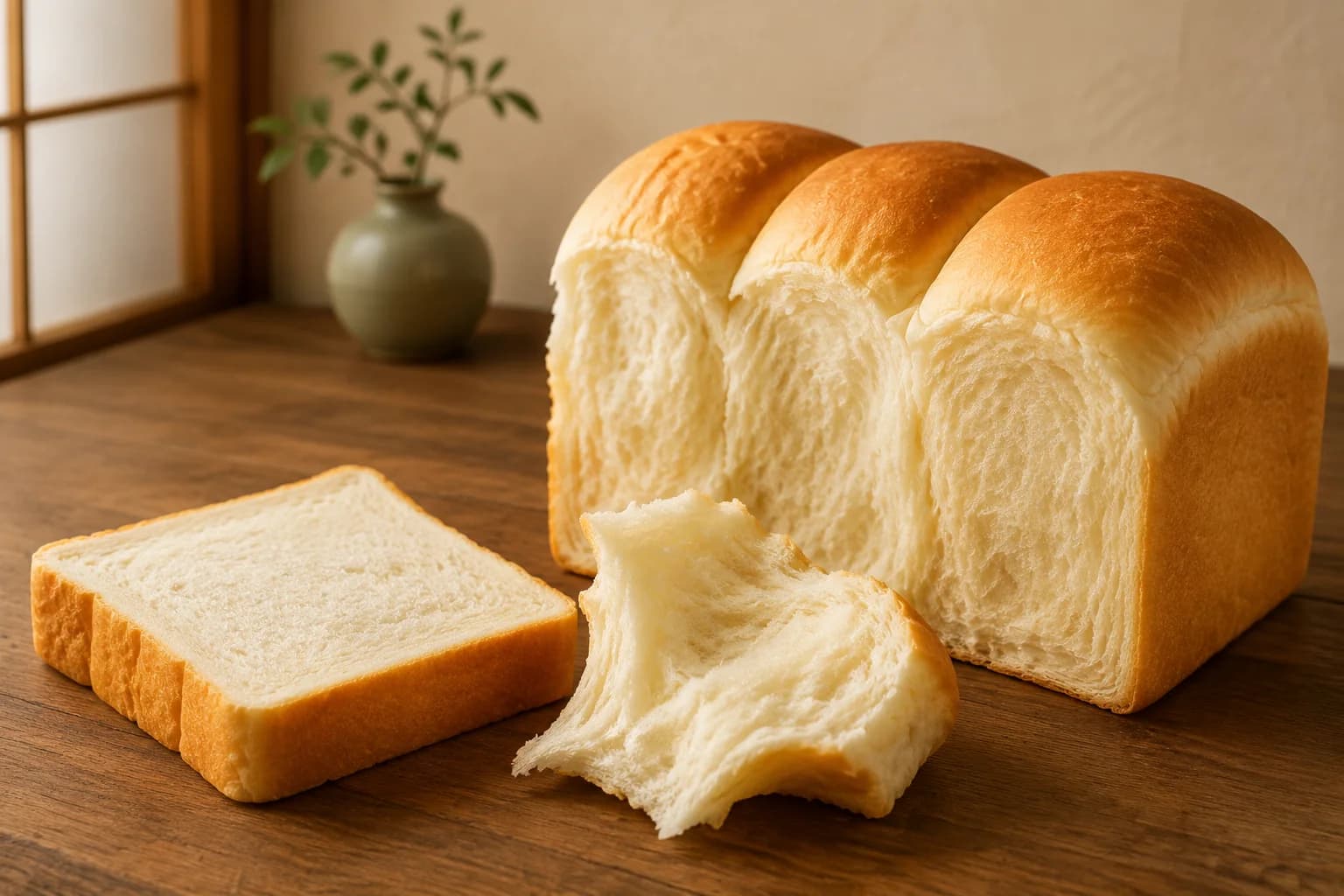 Shokupan · Japanese milk breadThe Japanese milk bread that stays tender.Shokupan is the tall, soft white loaf of Japanese bakeries. A scalded-flour yudane binds extra moisture; three tightly rolled pieces of dough build its fine, shreddable crumb.
- Hydration
- 76%
- Starting point
- For one loaf: 600 g dough
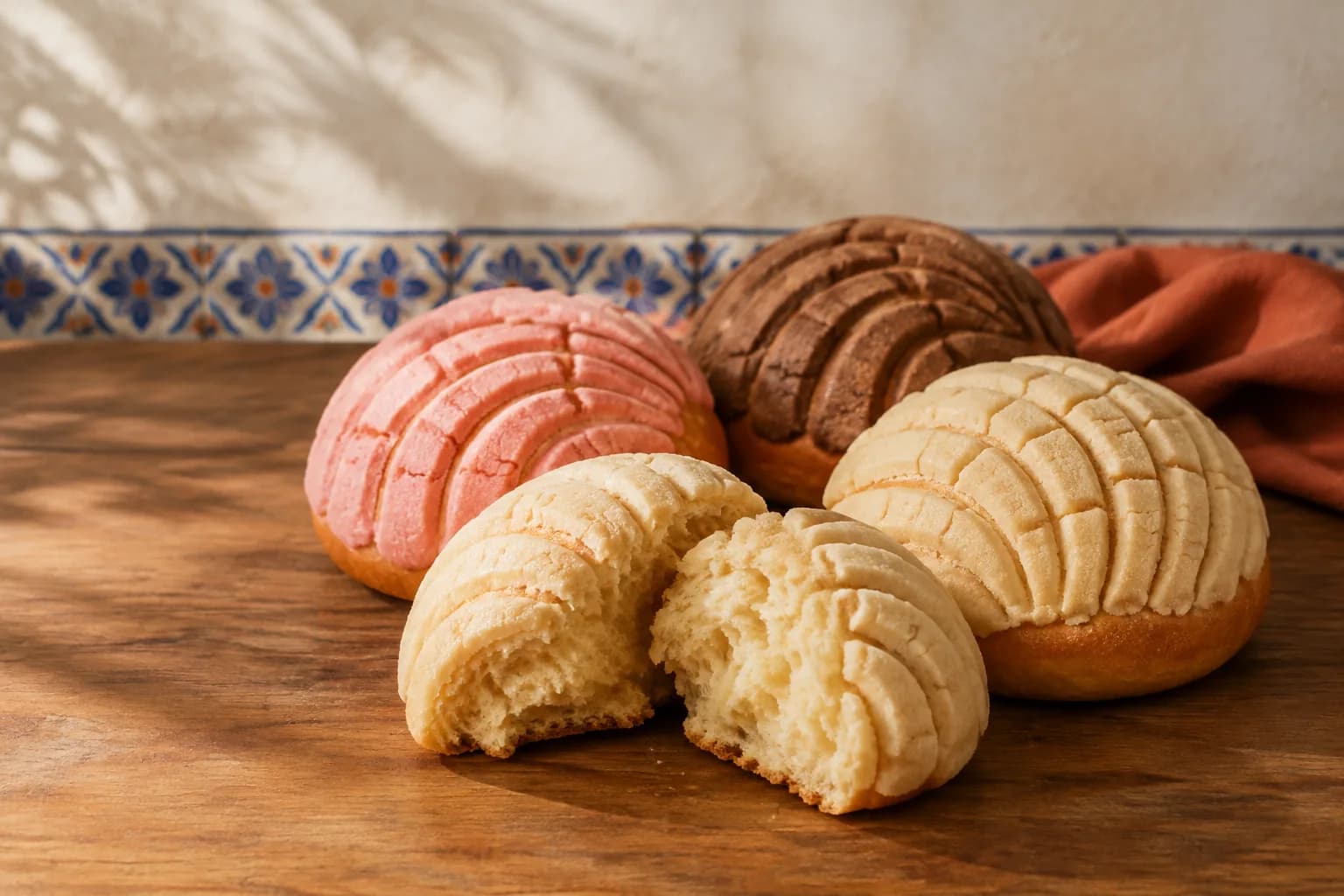 Conchas · Mexican pan dulceTender bread beneath a crisp shell.A concha sends two doughs into the oven together: a soft, lightly sweet yeast dough and a thin cookie crust marked with its familiar shell pattern. This formula calculates the egg and topping separately.
- Hydration
- 40%
- Starting point
- Ten conchas
Prefer to build your own?